Kid-Centered Eco Interiors: Stories, Play, and Planet-Friendly Living

Welcome! Today we explore Kid-Centered Eco Interiors: Teaching Sustainability Through Room Narratives and Play. Imagine bedrooms, nooks, and play corners quietly guiding daily choices through joyful stories, tactile materials, and hands-on discovery. Together we will shape spaces that empower children to care, question, repair, and celebrate the living world through meaningful, playful rituals.

The Forest Corner

Create a reading nook where a felt canopy suggests branching treetops, and shelves shaped like rings of a stump hold field guides beside favorite picture books. FSC-certified wood and a tiny planting diary turn each page into action. Invite children to name resident creatures, track seasonal changes, and share forest kindness pledges on cloth leaves pinned to a cork bark branch.

The Ocean Drawer

Dedicate a low drawer to shells, beach-found pebbles, blue fabrics, and a hand-painted tide calendar. A removable divider labeled with icons teaches gentle sorting, while a water-cycle mural whispers about clouds and rivers. Replace plastic trinkets with ocean-safe crafts, and celebrate refillable bottles as treasure. Encourage kids to record a weekly "tide tidbit"—one small change that keeps waterways sparkling for creatures they befriend through stories.

The City of Repairs

Build a miniature makers’ alley with a mending mat, a magnet strip for tiny tools, and clear jars of screws and buttons. A playful clinic sign welcomes wounded toys for checkups. Children document each repair on a colorful repair passport, stamping dates and lessons learned. This bustling little city turns breakage into bravery, proves reuse is heroic, and invites friends over for community fix-it playdates.


Materials That Care for Small Hands

Playful Systems for Sorting and Reuse
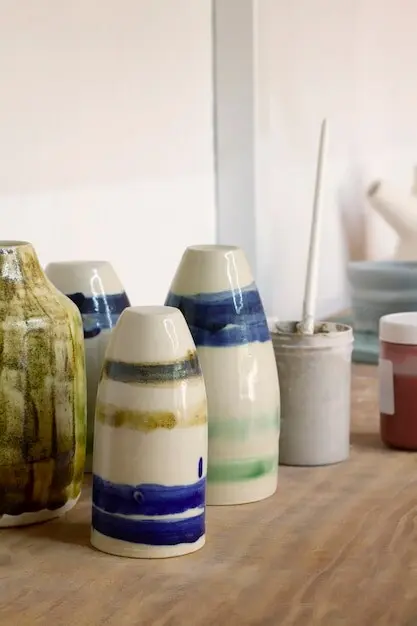
Sorting becomes irresistible when systems feel like quests instead of chores. Icons, colors, and familiar characters gently guide items to their next life—crafts, donation, compost, or recycling—without scolding. Children gain agency by proposing rules, renaming bins, and tracking tiny wins on a shared wall map. Celebrate progress with storytelling nights, inviting photos and notes from readers who tried similar setups and discovered surprisingly joyful family habits.

Light, Energy, and Everyday Science

Sunbeams, switches, and breezes become daily lab partners when rooms make experiments easy. Window seats track seasonal arcs, while warm, efficient LEDs and smart strips invite mindful choices. Children chart patterns on a wall graph, comparing comfort and power use. Instead of lectures, families co-create low-stakes challenges, celebrating curiosity. Readers are invited to share favorite discoveries and simple tools that turned routine moments into bright, confidence-boosting science adventures.

Sun Maps on the Wall

Tape a yearly sun path and invite kids to sketch sunny hours, plant moods, and cozy reading times. Rotate activity zones with the seasons, moving art tables where light lands best. Add translucent color gels for playful spectrums and shade cloths for heat. This living map fosters awareness, guiding window coverings, plant care, and nap spots, while making climate conversations concrete, observable, and beautifully child-led through gentle, repeatable rituals.

Little Meter Readers

Introduce a simple energy dashboard or weekly meter snapshot, turning numbers into a cooperative mystery. Children compare baseline days with reading-light-only evenings, discover phantom loads, and design unplug routines. Track experiments on a star chart without rewards beyond shared pride and laughter. Over time, cause-and-effect becomes visible, nurturing resilience, thrift, and imagination, while empowering kids to propose upgrades, from draft snakes to switch labels, with cheerful ownership.

Night Sky Rituals

Use blackout curtains and dim-to-warm bulbs to honor circadian rhythms, then step outside for stargazing when weather smiles. Create a constellation scrapbook, log moon phases, and pair stories with gentle breathwork. Children learn how darkness, quiet, and cool air restore bodies and minds. This calm rhythm deepens sleep and curiosity, linking comfort to planetary cycles, and inspiring questions about energy, seasons, and the shared sky above every home.

Growth-Friendly Layouts and Autonomy

Flexible layouts honor changing bodies and emerging interests without constant buying. Floor-level invitations, adjustable furniture, and modular storage let children lead, reconfiguring zones for building, reading, and rest. Clear sightlines reduce friction, and labeled drawers spark independent setup and tidy-up. Families co-create ground rules, celebrate experiments, and archive learning on a project wall. Readers, tell us how your layouts evolved and which small tweaks unlocked big calm at home.

Floor-Level Invitations

Place open trays at child height with pictogram labels and tactile cues, so activities whisper, “start here.” Leave just enough pieces to succeed without overwhelm, and rotate materials based on curiosity notes. This gentle scaffolding builds focus and self-direction. Parents gain breathing room, children master setup rituals, and everyone sees progress traced in lovingly messy, proudly displayed works that invite conversations about process over perfection.

Furniture That Adapts

Choose an adjustable desk, a stool that becomes a step tower, and modular crates that transform from bookshelf to puppet stage. Invite kids to measure, plan, and assemble safely, learning tool respect and design tradeoffs. Keep leftover hardware labeled for future changes. As interests grow, furniture evolves gracefully, reducing waste and teaching that design is alive, responsive, and wonderfully collaborative across ages, seasons, and sparkling bursts of imagination.

Outdoor-To-Indoor Gateways

Design a welcoming mud zone with a bench, washable rugs, and a rainwater rinsing bucket kids can manage. Label hooks with drawn icons for coats and hats, and keep a seed-drying rack nearby to bridge garden adventures. A tiny compost caddy with story cards explains decomposition. This breezy gateway normalizes nature messes, celebrates stewardship, and keeps the whole house ready for spontaneous, joyfully muddy explorations.

Family Rituals and Community Impact

Tiny rituals ripple outward when shared. Weekly circles, story swaps, and seasonal making deepen empathy and purpose. Children help set intentions, celebrate attempts, and invite neighbors into learning. A cork board maps local repair cafes, tool libraries, and gardens. Readers are warmly encouraged to share photos, checklists, and kid quotes, inspiring more households to try playful steps that nurture confidence, reduce waste, and strengthen friendly, optimistic communities.
Matufikeperunarimafivelu
Privacy Overview

This website uses cookies so that we can provide you with the best user experience possible. Cookie information is stored in your browser and performs functions such as recognising you when you return to our website and helping our team to understand which sections of the website you find most interesting and useful.